Resilience, Empowerment and Active Leadership
Preparedness Is Built Before the Crisis: What the REAL Project Is Learning from Volunteering Across Europe
Read the article in Norwegian, English, German, Croatian, French or with speed reading.


What do we actually think about when we talk about preparedness?
For many, the mind goes straight to blue lights, evacuation, emergency power, water reserves, rescue services and municipal contingency plans. All of this matters. It is absolutely essential that the established structures work: the police, the fire service, the health service, civil defence, municipalities, county governors, the Red Cross, Norwegian People's Aid and other key preparedness actors.
The REAL project is not about challenging these partnerships. On the contrary. It is about complementing them with a broader perspective.
Because preparedness is not only about what we do when a crisis hits. It is also about how we build local communities that can withstand more before the crisis arrives. It is about people who know each other, about organisations that know how they can contribute, about volunteers who have been trained, and about local communities where trust, cooperation and practical capacity to act already exist.
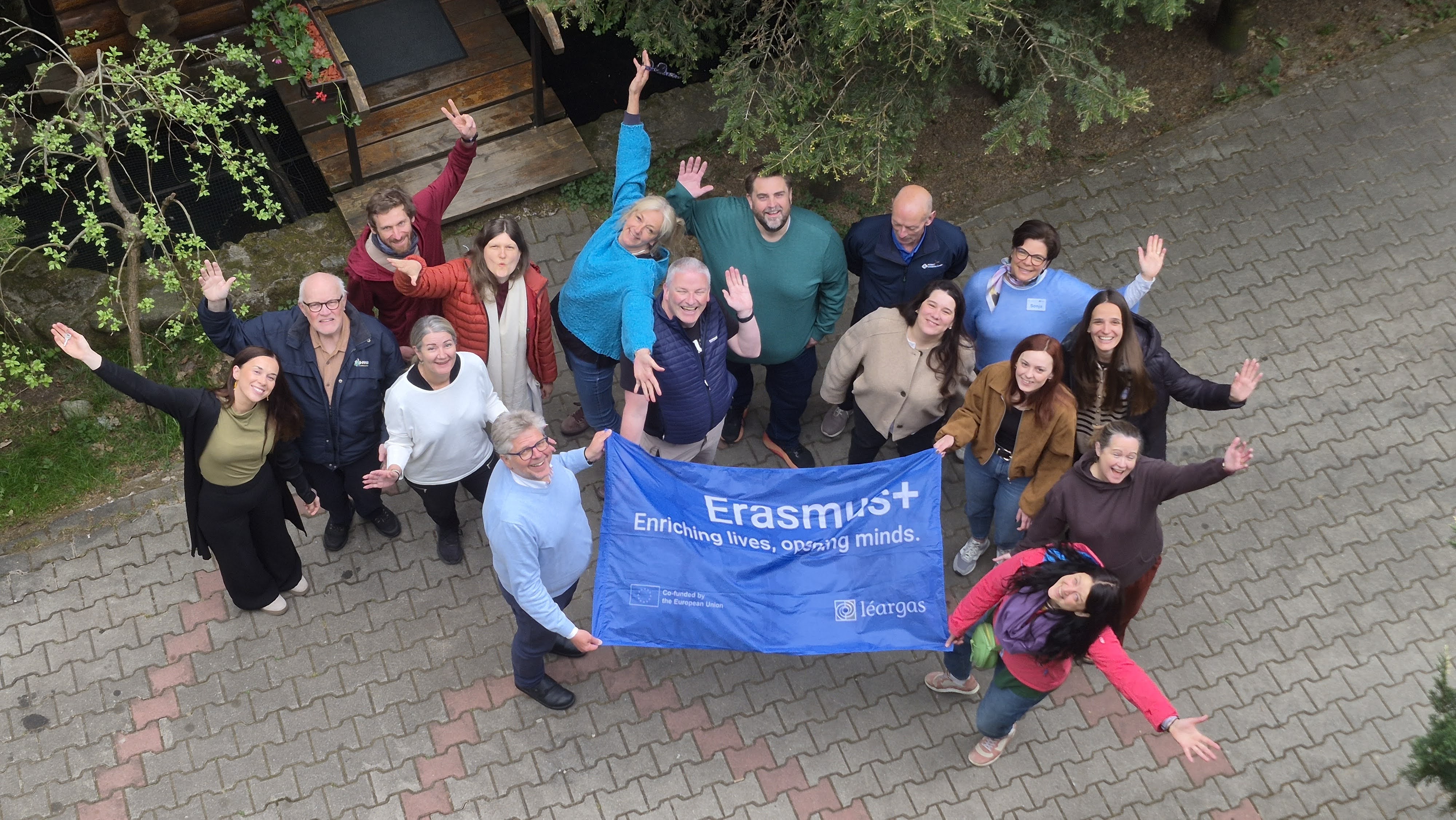
This is the starting point for REAL – Resilience, Empowerment and Active Leadership – an Erasmus+ funded partnership between six European partners: Volunteer Ireland from Ireland, Pro Vobis – National Resource Center for Volunteering from Romania, Freiwilligen-Zentrum Augsburg from Germany, the Croatian Volunteer Development Centre from Croatia, the Centre for European Volunteering from Belgium and Vestre Aker Frivilligsentral from Norway.
Together we are exploring how volunteering can strengthen the resilience of local communities. Not only in acute crises, but also in the face of demographic change, climate change, social isolation, exclusion and increasing pressure on public services.
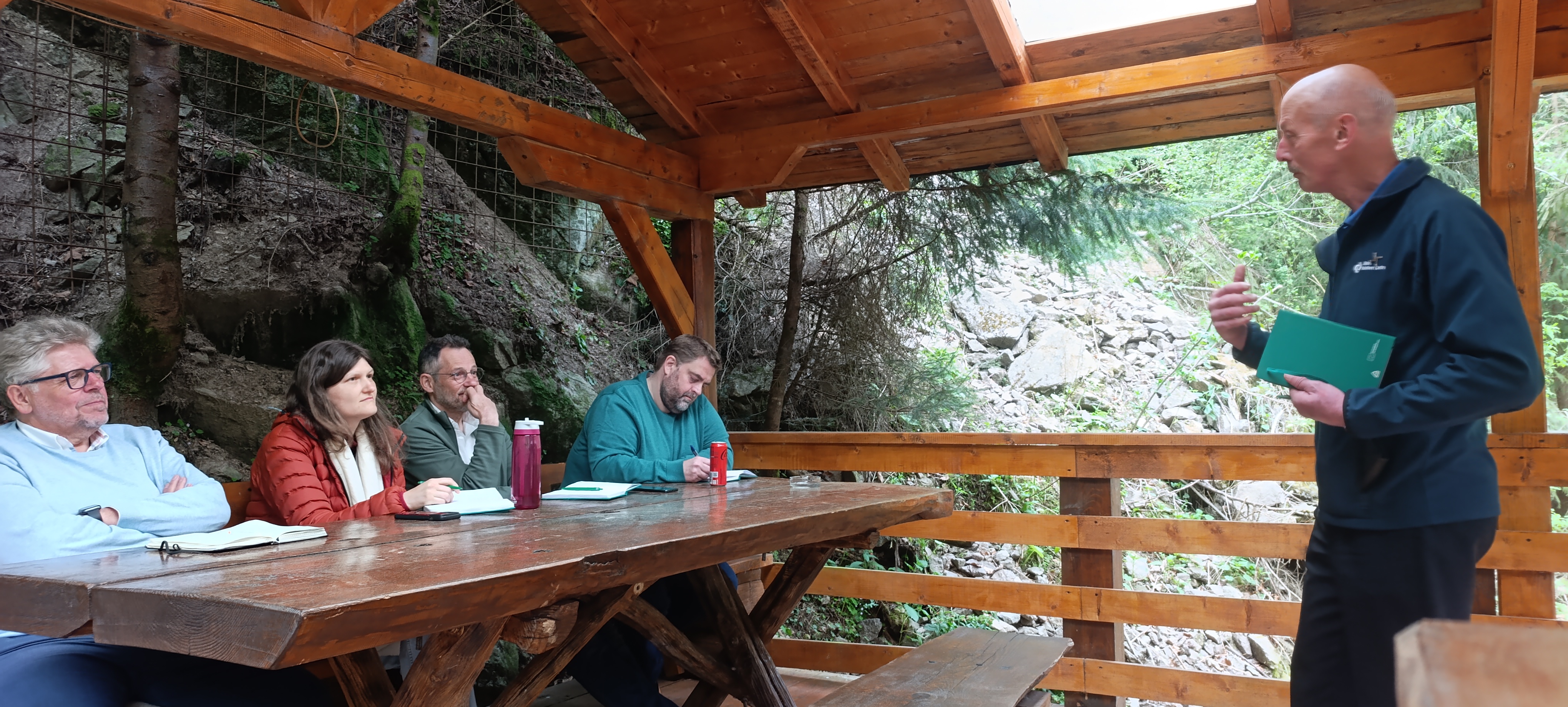
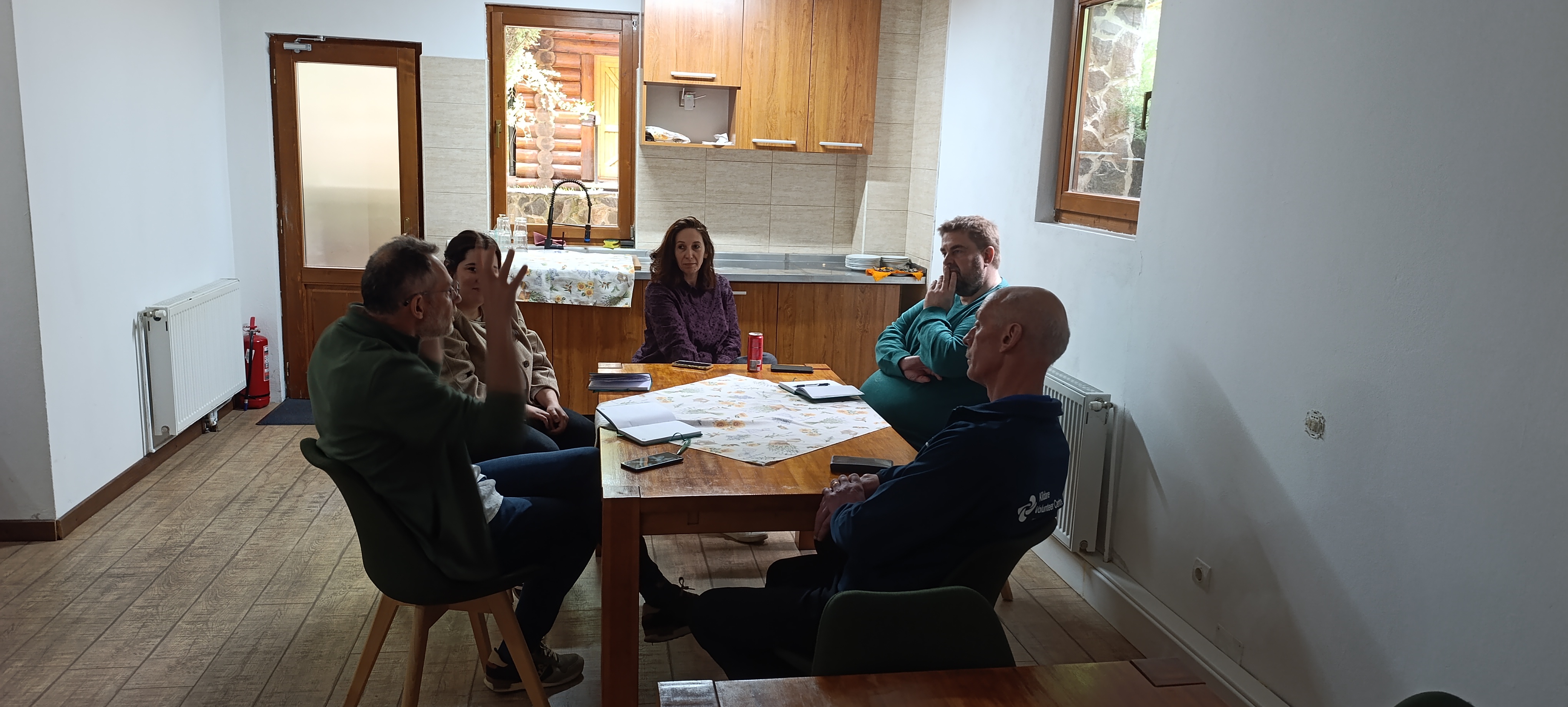
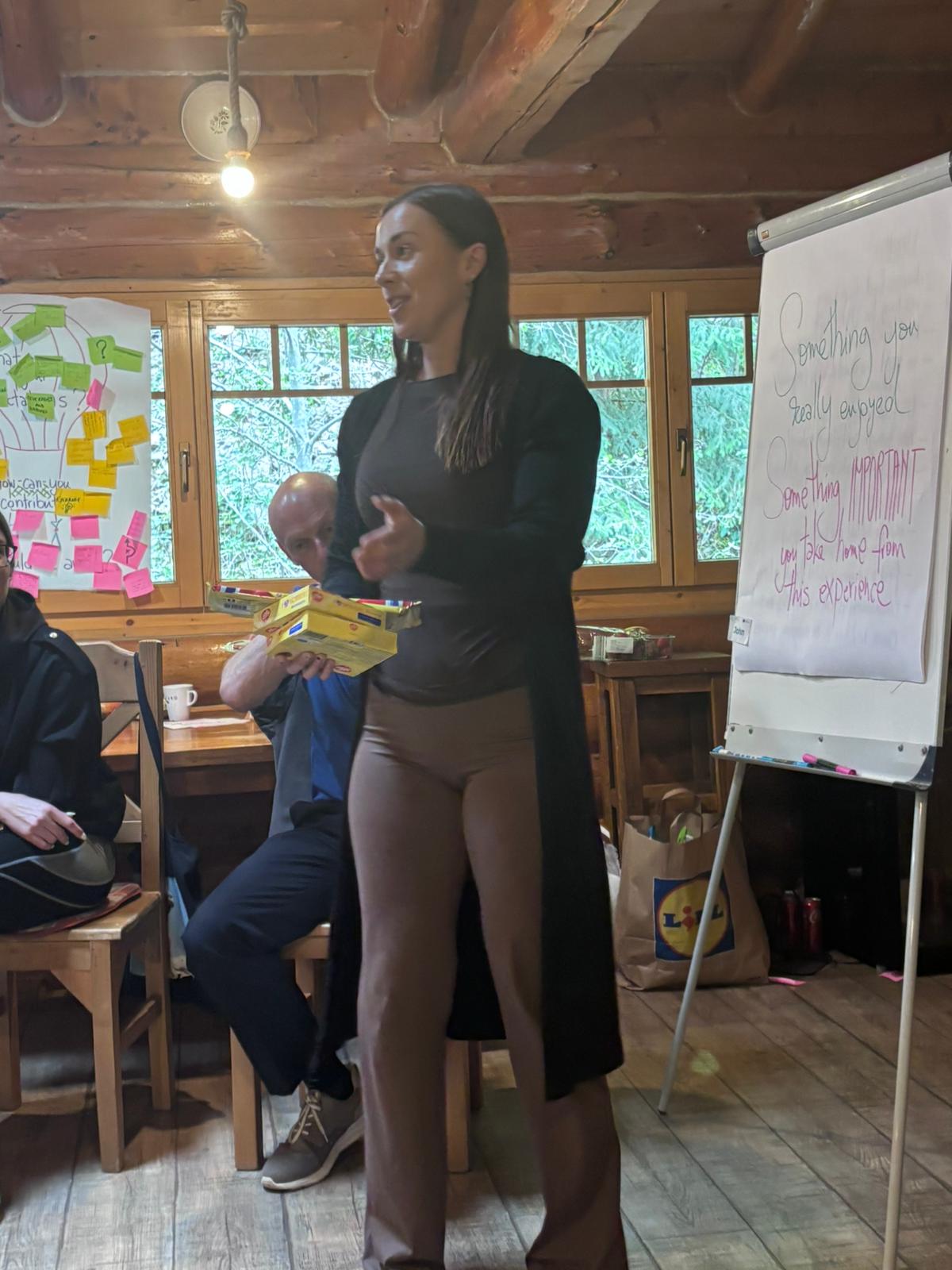
As part of the project, the partners have gathered examples of good practice from different countries. When we sat around the table in Măguri-Răcătău in Romania this spring and shared our experiences, it became clear how different our starting points are – and at the same time how much we have in common. The examples show that preparedness is not one thing. It is many small and large actions put into a system over time.
Volunteering as part of the foundation of society
One of the Norwegian examples in the project is the Norwegian Women's Public Health Association (Norske Kvinners Sanitetsforening). Founded in 1896, the organisation has spent more than 130 years demonstrating how care, health work, women's communities and local organising can become part of society's preparedness.
The Sanitetskvinnene have local branches across the country and their own care and emergency response groups that can contribute during crises. They cooperate with municipalities, emergency services and other actors, but their work is about far more than acute response. Safety gatherings, first aid training, information work, preparedness for older people and support for relatives are examples of how volunteering can make people safer in everyday life.
When people learn more, know more people, gain confidence and know where to turn, we are building preparedness. Not dramatically, but effectively.
Another Norwegian example is Ja til eldre – the think tank at Bogstad, coordinated by Odd Grann. This is not a classic preparedness organisation, and yet it is highly relevant to how we should think about preparedness. The group consists of older people who meet regularly to discuss societal issues, develop ideas and put forward solutions that can strengthen the quality of life for older people.
There is an important insight here: older people are not just a group that society has to "take care of". They are also a resource. They have experience, judgement, networks, historical memory and the ability to contribute. When older people are kept mentally active, socially connected and civically engaged, both the individual and the community are strengthened.
Preparedness is also about mental strength, about not standing alone, about having relationships that provide security when the world around us grows more uncertain.
European examples of local capacity to act
From Ireland, Transition Town Kinsale shows how climate, energy, food production and community are interconnected. The initiative began as a local movement to reduce dependence on fossil fuels and to build a more self-sufficient and resilient community. Through workshops, seed libraries, community gardens, energy projects and practical learning, volunteers have created concrete measures that make the community better prepared for the future.
This is preparedness in practice. Not because it is written down in an emergency plan, but because people are learning to grow, share, repair, cooperate and use local resources more wisely.
From Romania, not far from where the partners met this spring, Sustainable Cluj shows how trust and participation can be a form of preparedness. The initiative grew out of the pandemic, in a time marked by isolation and distance. Through open conversations, co-creation workshops and local engagement, they brought together professionals, activists, parents, teachers and residents to find solutions to the city's challenges.
Their experience is particularly interesting because they place such weight on emotional safety. People have to feel they can show up as they are. They have to be able to participate without being judged, controlled or pressed into rigid structures. It is a reminder for all of us: if we want to mobilise people, we have to build environments people actually want to be part of.
From Croatia, the humanitarian flea market "A di si ti?!" in Split shows how solidarity can become an annual grassroots movement. The initiative collects donated goods, mobilises volunteers, schools, artists, businesses and residents, and uses the proceeds to support people experiencing homelessness. Over time, this has become more than an event. It has become a tradition and part of the city's identity.
This kind of work reminds us that social preparedness is also about who we see – and who we risk overlooking. A community that can mobilise around its most vulnerable members is stronger than one in which everyone has to manage on their own.
From Germany, Freiwilligen-Zentrum Augsburg shows how volunteer centres and volunteer infrastructure can play a central role in crises. Augsburg has long experience in organising volunteers during the refugee crisis, the pandemic and the reception of people fleeing Ukraine. They have worked with spontaneous volunteering, training, digitalisation and cooperation between municipalities, civil society and other preparedness actors.
This is one of the most important lessons of the entire REAL project: when a crisis hits, many people step forward to help. But spontaneous willingness is not the same as organised capacity. For volunteer effort to be safe, useful and sustainable, someone has to be able to receive, sort, guide, follow up and connect people to real needs.
A broader concept of preparedness
The REAL project shows that preparedness must be understood more broadly than acute response. Acute response is essential, but it stands stronger when the community already has functioning relationships, meeting places and organisations.
An older person who knows their neighbours is better prepared. A municipality that knows its local volunteer organisations before a crisis is also better prepared. And a community where people trust each other can withstand more when something fails.
This does not mean that every volunteer organisation should become a preparedness organisation. It should not. Nor does it mean that volunteering should take over responsibilities that belong to the municipality or the emergency services. Those responsibilities lie where they lie, and should remain there.
But local volunteering can contribute something else: relationships, presence, local knowledge, practical help, social support, information sharing, meeting places and the mobilisation of people who want to contribute. It is a complement to the established preparedness system, and in many cases it is precisely the complement that makes the whole thing work better.
What does this mean for local communities in Norway?
For Norwegian municipalities and volunteer organisations, there is a clear challenge here: we need to talk to each other more before a crisis arrives.
Municipalities should know which volunteer organisations exist locally, what they can actually contribute, what their limitations are, and what they need in order to function well. Volunteer organisations, for their part, should have a conscious sense of their own role. What can we do? What should we not do? Who do we cooperate with? And perhaps most importantly: how do we look after the volunteers who actually show up, so that they have the energy to do it again?
This is not about building big systems for their own sake. It is about making it easier to act wisely when something happens.
The REAL project gives us the opportunity to learn from different European experiences, but also to ask better questions at home. How do we build communities where more people know each other? How do we make volunteer organisations more robust without making them bureaucratic? And how do we make sure local volunteering is included in preparedness thinking without becoming an extension of the public sector?
Preparedness begins in peacetime
Perhaps the most important thing we have learned so far is quite simple: preparedness is built before the crisis.
It is built in volunteer centres, women's health associations, think tanks, neighbourhood groups, youth projects, flea markets, community gardens, training rooms and local meeting places. It is built when people are given the chance to contribute. It is built when organisations are given room to develop. And it is built when politicians and public administrators understand that volunteering is not just a pleasant extra – it is part of society's strength.
The REAL project does not give us a finished model that can be copied everywhere. Nor would that be the right approach, because local communities are different, needs are different, and volunteering is different.
But the project shows us something important: across Europe, there are people who are already building more resilient local communities. They are doing it through care, organising, trust, practical solutions and active citizenship.
Our task is to learn from them – and to use that knowledge to strengthen our own local communities. Because once a crisis arrives, it is too late to start building trust. It has to be there already.
Here is the full report.